The Next 2005 Moment: Why Small Businesses Need to Be Findable by AI Agents
There's a question worth sitting with for a moment.
When was the last time you actually visited a business's website to decide if they were right for you? Not to confirm something you already believed — but to genuinely discover them, browse around, and make up your mind? For most people, that behavior is already fading. We ask friends. We read summaries. We let Google tell us the answer. We're already outsourcing the searching.
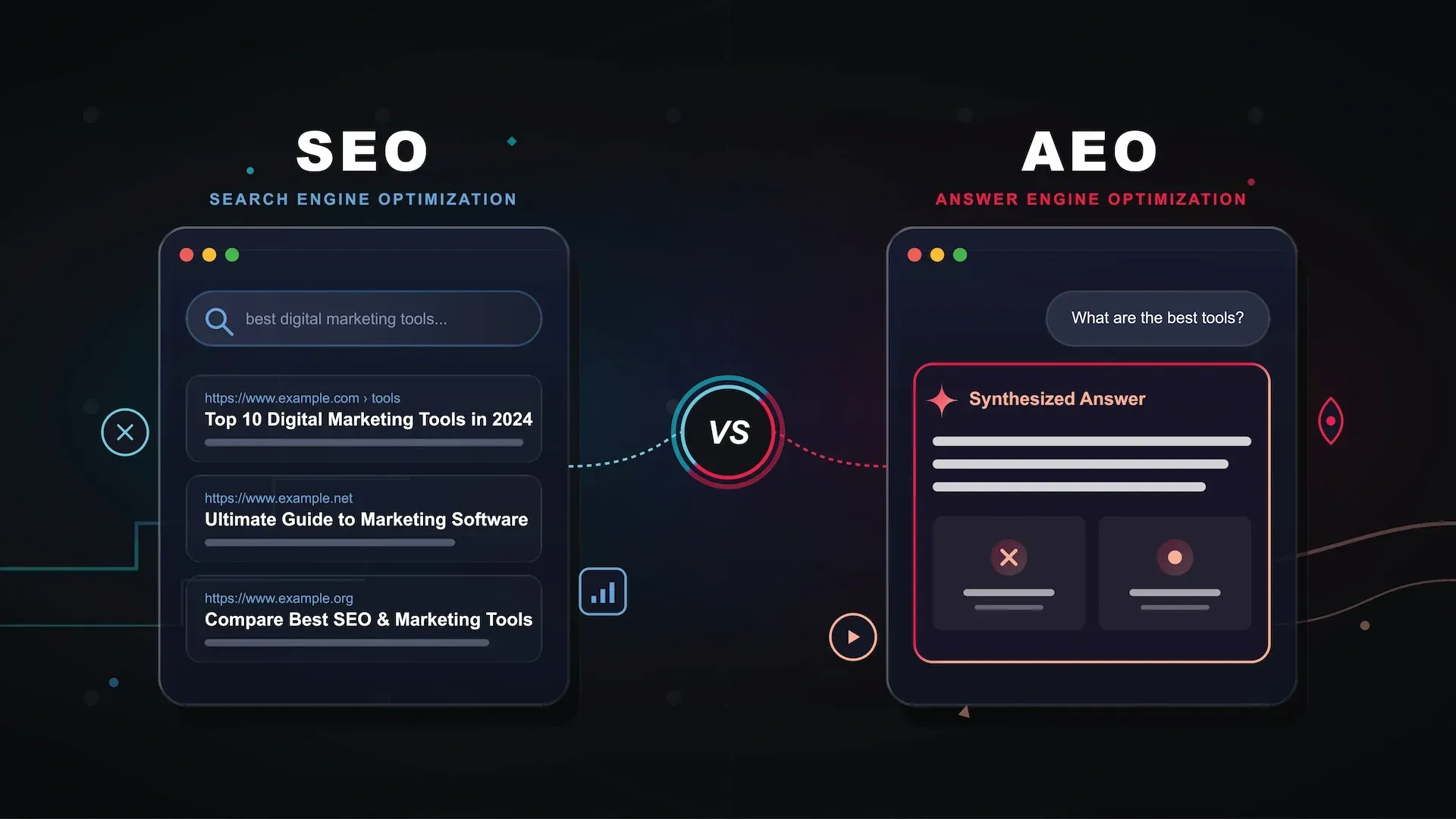
Now imagine the thing doing the searching isn't Google. It's an AI agent — working on behalf of your potential customer, querying dozens of businesses simultaneously, synthesizing the results, and handing back a shortlist. No browser. No scrolling. No homepage hero image. Just a machine, reading your data, deciding if you qualify.
This is where the internet is going. And most businesses aren't ready for it.
The 2005 Moment Nobody Sees Coming
In 2005, not having a website wasn't just old-fashioned — it was a business decision with consequences. Customers were moving online and businesses that didn't follow lost ground they never recovered. Some owners adapted fast. Others looked up one day and wondered where their phone had stopped ringing.
We are at that moment again. It just doesn't look the same, so most people aren't recognizing it.
The technology is called MCP — Model Context Protocol. Introduced by Anthropic in late 2024, it's now backed by Google, Microsoft, and OpenAI. In plain terms, it's a standard that lets AI agents query your business's data directly — your services, pricing, availability, portfolio, proof — without a human ever visiting your site. Think of it as a USB port for AI. If your business has one, agents can plug in and read you. If you don't, you're invisible to them.
The businesses that build this infrastructure now will have the same advantage early website owners had in 2005. The ones who wait will ask the same question those people asked: why did the leads stop coming?
The Deer in the Headlights Problem
What Happens to Your Traffic When Nobody Visits
Here's a scenario worth thinking through.
Your three biggest local competitors all have structured data exposed to AI agents. Their services, specialties, pricing ranges, client types, and testimonials are all machine-readable. When someone's AI assistant looks for a web design agency in your city, it queries all three, synthesizes the results, and sends back a recommendation — before the buyer has opened a single browser tab.
You don't show up. Not because you did anything wrong. Not because your work is worse. Because you weren't in a format the machine could read.
You might wonder: where does that lead even go? In the short term, probably a phone call or an email — old channels, familiar channels. The buyer found you some other way, or they didn't find you at all. The problem is you won't know what you missed. There's no analytics dashboard for searches that never reached your site. The absence is invisible, and invisible problems don't get solved.
What You Actually Do About It
This is the part where most articles tell you to hire a developer and spend $20,000. That's not the answer.
The honest first step is simpler: begin the conversation with someone who has experience and is also a good teacher. Find a person or a resource — human or AI — that can walk you through what this technology actually is, what it requires, and what it means for your specific business. Ask questions. Don't perform confidence you don't have. The businesses building this infrastructure right now learned it the same way you'd learn it: one question at a time.
AI models themselves are a reasonable place to start. The process of understanding how to become machine-findable — asking questions, building structure, exposing data clearly — is itself a kind of education in how these systems think. You learn by doing, and the doing doesn't have to be expensive to be meaningful.
What Your Website Actually Becomes
None of this means your website disappears. It means its job changes.
In five years, your website probably won't be where people discover you. AI agents will handle discovery. What your website becomes — and what it needs to do really well — is a trust platform. The place where someone lands after they've already been told you're worth considering. It needs to show the work. Real examples, real clients, real results. It needs testimonials that don't feel templated. It needs to answer the questions a buyer has when they're close to a decision, not when they're starting their search.
The website closes the deal. The machine gets you in the room.
That's a different design problem than the one most businesses have been solving. And it's worth starting to think about now — before the headlights arrive.
A question to end on: If an AI agent queried your business today, what would it find? If the answer is "nothing structured," that's your starting point.
Salt Creative helps small businesses understand what machine-findability means for their market, their website, and their growth strategy. Start a conversation →